Home · Blog · Accent Wall Ideas
Accent Wall Ideas: Which Wall, and What to Do With It
An accent wall is the fastest way to give a room personality in a weekend. But the wrong wall, or the wrong color, makes a room look choppy. Here's how to pick the wall first, then 18 ideas to try on it.
The short answer
Pick the wall your eye naturally lands on when you walk in — usually the wall behind the bed, behind the sofa, or around the fireplace. Avoid walls broken up by lots of windows and doors.
Easiest: paint one wall a shade or two deeper than the rest. Most impact: board and batten, wood slats or wallpaper. Choose a color already in the room (a rug, art or pillow) so it looks planned.
Which wall should be the accent wall?
The accent wall should be the wall that's already the focal point. Stand in the doorway and notice where your eyes go first. That's usually the one.
- Bedroom: the wall behind the headboard.
- Living room: the wall behind the sofa, the TV wall, or the fireplace wall.
- Dining room: the wall behind the buffet or the one facing the entrance.
- Office: the wall behind your desk — it's your video call background.
- Avoid: walls with multiple windows or doors, walls you only see from the side, and the wall you walk in through.
Paint accent wall ideas
- Deeper shade of the wall color. Two or three steps darker on the same paint strip. Subtle, sophisticated, impossible to get wrong.
- A moody color — navy, forest green, charcoal, deep terracotta — behind a bed or sofa.
- Limewash or Roman clay. Soft, cloudy texture that looks like old plaster. Beautiful in Japandi and Mediterranean rooms.
- Color block or arch. Paint a large arch behind a bed or desk. Renter-friendly to paint back.
- Two-tone wall. Darker color on the bottom third, lighter on top, with a crisp line or a chair rail.
- Paint the ceiling too. Wrap the accent color up onto the ceiling for a cozy, cocooned bedroom.
Texture and wood ideas
- Board and batten. Vertical boards over a painted wall. Classic farmhouse or modern in a dark color.
- Picture-frame molding. Rectangular frames of trim painted the wall color. Instant Parisian look.
- Shiplap. Horizontal boards — coastal and farmhouse favorite.
- Vertical wood slats. Warm, modern and great for TV walls; also helps acoustics.
- Fluted or reeded panels. Soft curves that catch light; very current.
- Upholstered headboard wall. Floor-to-ceiling fabric panels behind the bed.
Wallpaper and tile ideas
- Peel-and-stick wallpaper. Renter-friendly and easy to change. Great for bedrooms and powder rooms.
- Large-scale mural. A landscape or botanical mural makes a small room feel deeper.
- Grasscloth. Natural woven texture; warm and expensive-looking.
- Tile feature wall in a bathroom or behind a kitchen range.
- Brick or stone veneer for an industrial or rustic look.
- A gallery wall — art as the accent, no paint required.
Rough costs and the best colors
| Idea | Rough DIY cost (one 12-ft wall) | Difficulty |
|---|---|---|
| Paint | $40–$100 | Easy |
| Limewash | $80–$200 | Easy–medium |
| Peel-and-stick wallpaper | $100–$300 | Easy |
| Board and batten / picture-frame molding | $150–$500 | Medium |
| Wood slat panels | $300–$900 | Medium |
| Traditional wallpaper (installed by a pro) | $400–$1,200+ | Hire out |
Costs are rough and vary with materials and region.
Best accent wall colors right now
- Bedrooms: deep green, dusty blue, warm terracotta, mushroom brown.
- Living rooms: olive, charcoal, navy, warm clay.
- Offices: deep green or navy (both look great on camera).
- Kids' rooms: soft sage, pale pink, butter yellow.
Try an accent wall on your own room
Upload a photo of your room and see a new wall color in seconds — only the walls change, your furniture stays. Free, no signup.
✨ Try an Accent Wall — FreeSee the accent wall before you paint
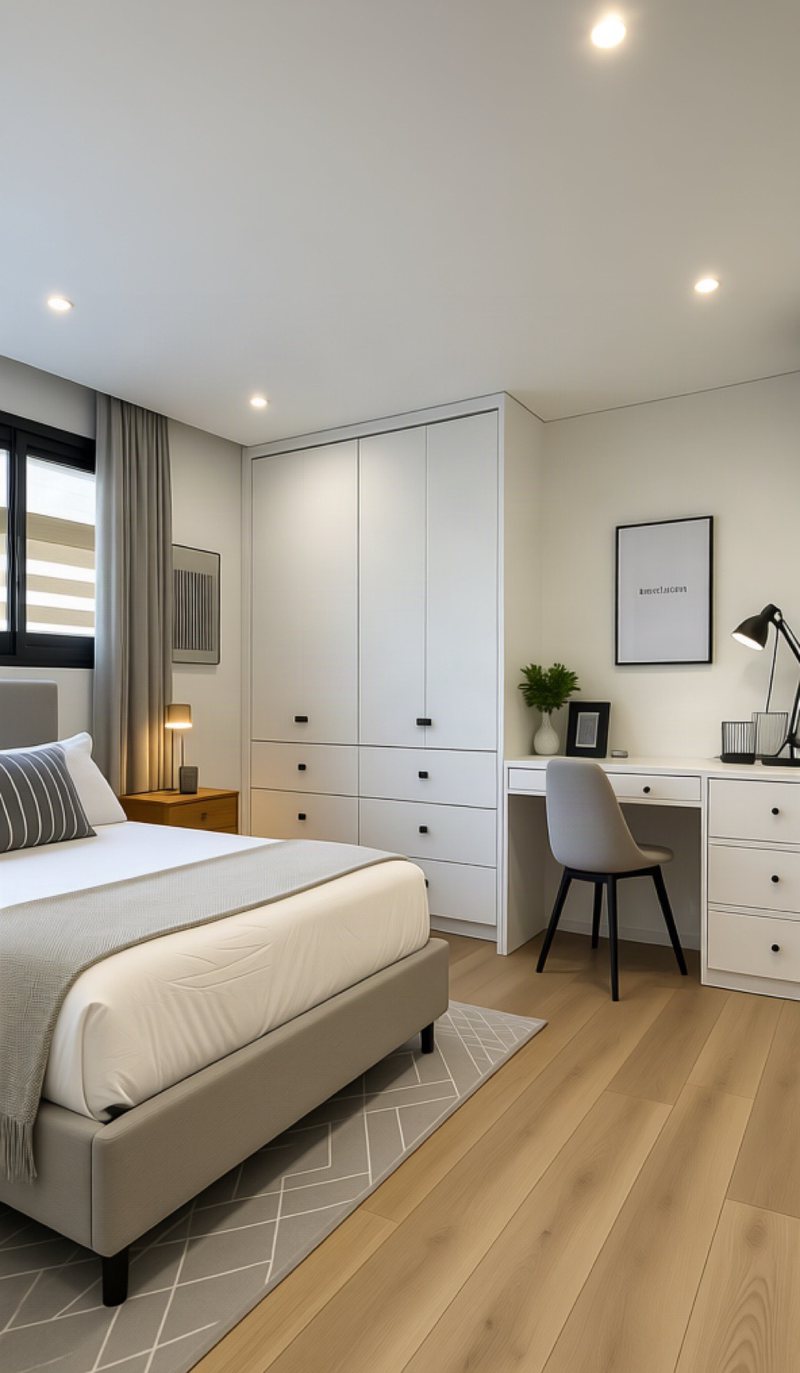
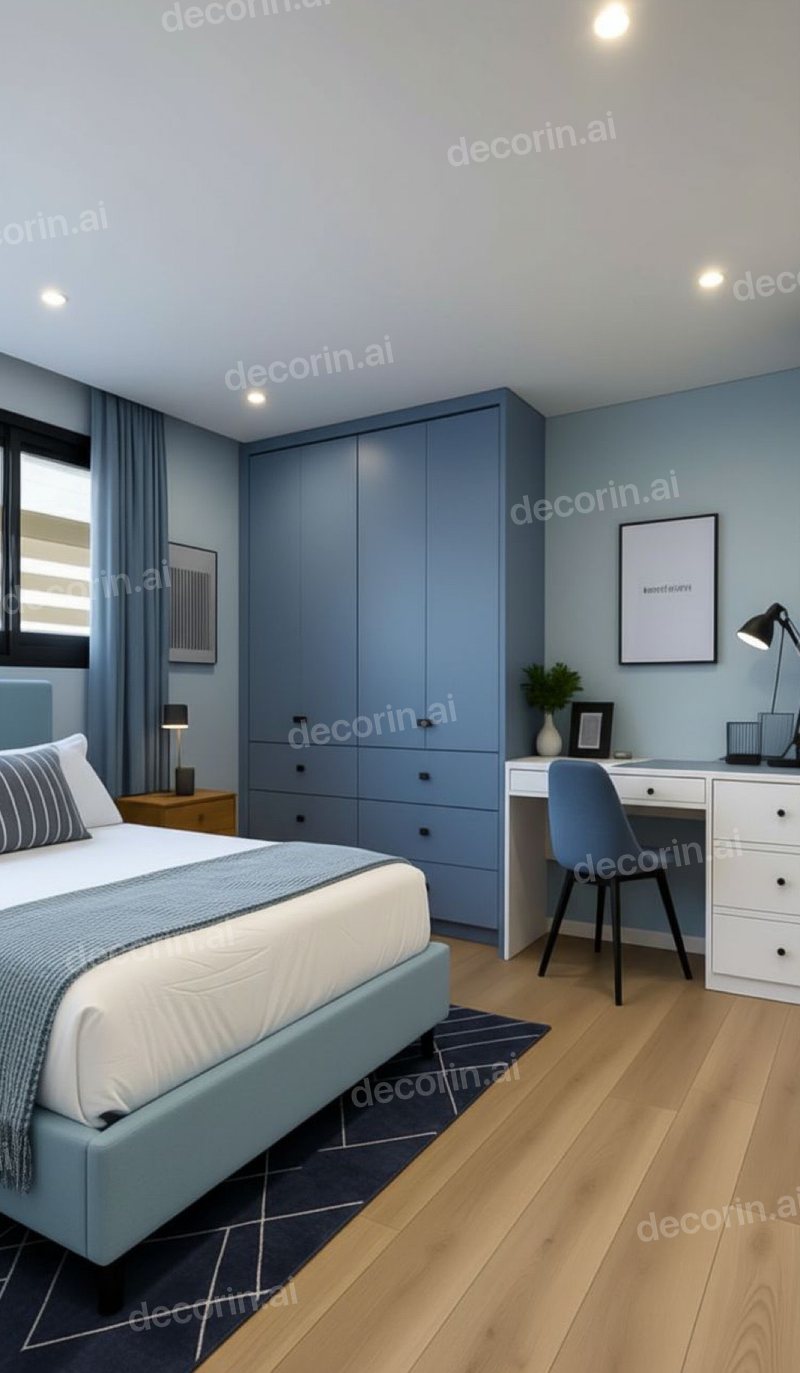
A dark accent wall is a big commitment from a small paint chip. Take a photo of the room and try the color in DecorIn or our wall color changer first. You'll see it on your real wall, next to your real furniture. If the color looks heavy, try two shades lighter. For whites to pair with it, see the best white paint colors.
Frequently asked questions
Which wall should be an accent wall?
The wall your eye goes to first when you enter the room — usually the wall behind the bed, behind the sofa, the TV wall or the fireplace wall. Avoid walls broken up by several windows or doors.
Are accent walls still in style?
Yes, but they've evolved. Instead of one random bright color, today's accent walls use deeper shades of the room's color, limewash, wood slats, board and batten, or wallpaper.
What color should an accent wall be?
Pick a color already in the room, from a rug, art or fabric, so it looks planned. A deeper shade of the main wall color is the safest choice.
Should an accent wall be lighter or darker?
Usually darker. A darker accent wall adds depth and draws the eye. A lighter accent wall only works when the other walls are already a deep color.
How much does an accent wall cost?
Roughly $40 to $100 to paint one wall yourself, $150 to $500 for DIY board and batten, and more for wood slats or professionally installed wallpaper.